Benqiu Hardware- Leading OEM & ODM Floor Drain & Pipe Fittings Manufacturer Since 1995.
Language
Benqiu Hardware- Leading OEM & ODM Floor Drain & Pipe Fittings Manufacturer Since 1995.
Let’s talk about commercial floor drains. They’re the unsung heroes in restaurants or hotels or at warehouses, quietly ensuring that floors are dry and not slick. These drains rapidly remove water, grease and debris to reduce slippery messes or water damage. They’re designed for heavy use, unlike the ones in your house. Picking the right drain and keeping it in good shape saves you headaches and cash. In this guide, I’ll walk you through installing and maintaining commercial floor drains, with tips fresh for 2025.
Installing a floor drain isn’t a quick DIY job. It takes planning and some elbow grease to get it right. A bad setup can mean leaks or clogs, and nobody’s got time for that. You’ll need to choose the drain, prep the space, and connect it to the plumbing. Let’s break it down.
Before you start digging, figure out a few key things. Here’s what to think about:
● Where It Goes: Put the drain where water tends to pool—near sinks, dishwashers, or the floor’s lowest spot. A slight tilt in the floor helps water flow right to it.
● What Kind of Drain: You’ve got choices like point drains, trench drains, or floor sinks. Trench drains are awesome for kitchens with lots of water, while floor sinks tackle chunky debris.
● Material Matters: Stainless steel is your best bet for kitchens because it doesn’t rust and stays clean. Cast iron or PVC might work elsewhere, depending on the vibe.
● Follow the Rules: Local building codes are a must. Kitchens might need grease traps or specific drains to pass health inspections.
● How Much Water: Make sure the drain can handle your water flow. A busy restaurant needs a beefier drain than a small office bathroom.
Bring in a licensed plumber to double-check your plan. They’ll keep you out of trouble with codes and mistakes.
Got your plan? Here’s how to install that drain, step by step:
1.Mark It Out: Where the drain’s going on water flow. Get some chalk and draw the area.
2. Tear Up the Floor: If it’s concrete, you’ll need a concrete saw or a jackhammer. Make a hole so deep that the drain is recessed.
3. Install the Drain: Position the drain body into the hole. Use a level to ensure it is flush with the floor.
4. Hook Up the Pipes: Attach the drain to your plumbing with PVC or metal pipes. Make it watertight with gaskets or solder.
5. Add the Cover: Snap on a grate to catch debris. I would go with a locking one that is stainless steel and won’t go anywhere in kitchens.
6. Seal and Test: Spread waterproof caulk around the perimeter. Dump a bucket of water through the pipe to check for leaks.
7. Repair the Floor: Pour concrete or install tile around the drain. Maintain a gradual pitch so water goes its way.
Stick to the drain’s instructions and local rules. If it’s a big job, like a trench drain, let a pro handle it.
You’ll need the right stuff to pull this off. Here’s what to grab:
● Tools: Concrete saw, jackhammer, level, screwdriver, pipe wrench, tape measure, marker, drain auger.
● Materials: Drain body (stainless steel, cast iron or PVC), grate, pipe, caulk, concrete mix, and gaskets.
● Safety Gear: Work gloves, safety glasses, work boots.
Having it all ready keeps the job moving and cuts down on oops moments.
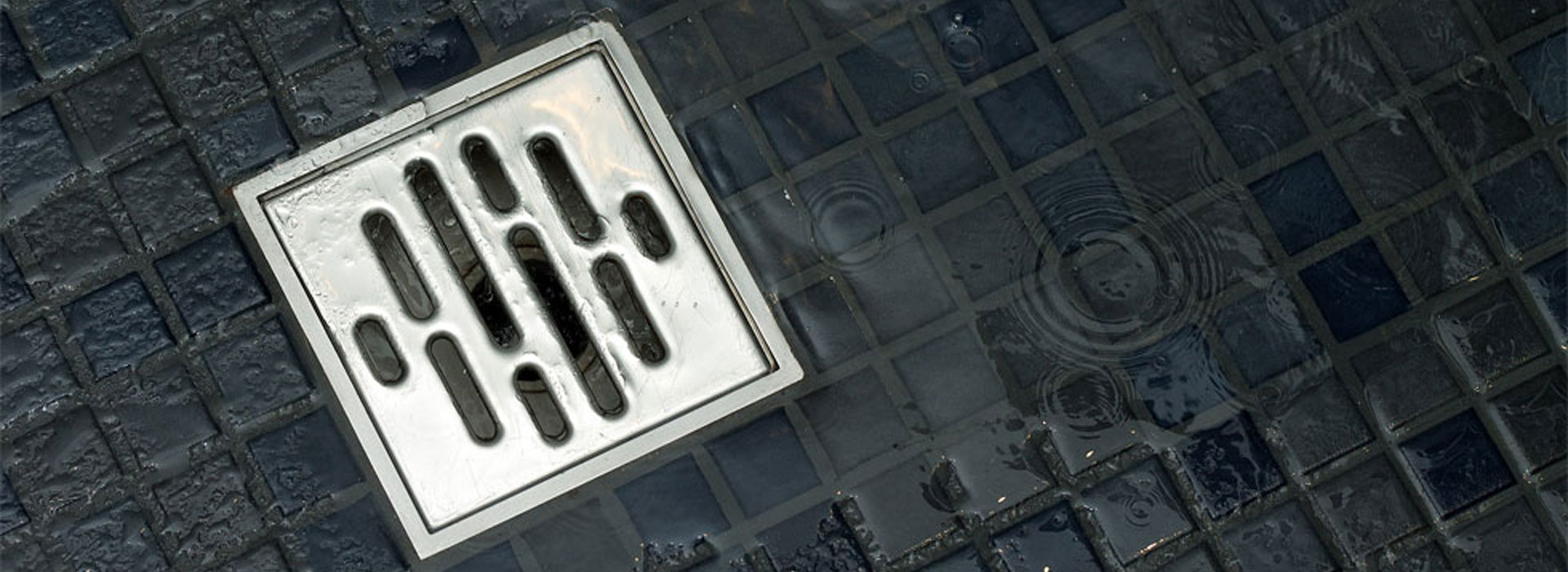
A drain is only as good as how you treat it. Regular cleaning also prevents clogs, funky smells, and backups. And let's discuss how to keep it clean, troubleshoot trouble and avoid future trouble.
Cleaning a drain is pretty straightforward, but you gotta stay on it. Here’s the deal:
1.Pop Off the Grate: Grab a screwdriver and lift the cover. Wear gloves ‘cause it can get gross.
2. Scoop Out Gunk: Clear out food scraps, dirt, or whatever’s sitting there. A drain brush or auger tackles stubborn bits.
3. Rinse It Down: Pour hot water—not boiling—to melt grease. A splash of dish soap helps cut through grime.
4. Try a Home Trick: Dump a cup of baking soda down, then a cup of vinegar mixed with water. Wait 10 minutes, then flush with hot water to nix odours.
5. Check the Trap: The P-trap needs water to block sewer smells. If it’s dry, pour some in.
6. Put It Back: Lock the grate in place so it stays put.
In a busy kitchen, do this weekly to keep things flowing.
Drains can act up sometimes. Here’s how to deal with the usual suspects:
● Clogs: Plunge the drain or run a drain snake through it. Forget those harsh chemical cleaners – they damage pipes. Still stuck? Call a plumber.
● Odorous Drains: If a smell is involved, it’s a dry P-trap or gunk accumulation. Rinse with hot water and vinegar, or refill the trap.
● Slow Flow: That’s a half-clog. It can be blasted with an auger or a hose. There tends to be grease in the kitchen.
● Pesky Insects: Drain flies are attracted to dirty, wet drains. Hit them weekly with weak bleach mix to zap them.
Get a plumber to peek at your drains yearly to catch big issues early.
An ounce of prevention’s worth a pound of cure. Try these:
● Don’t Dump Junk: Sweep food scraps or grease into the trash, not the drain. Use grease cans for oils.
● Use Catchers: Stick strainers or baskets in drains to grab debris.
● Flush Weekly: Pour soapy water down drains to keep them moist and clear. It’ll tip you off if something’s slowing down.
● Get Checkups: Have a plumber inspect drains once a year for rust or cracks.
● Train Your Crew: Make sure staff know not to pour grease or food in drains. Slap up some signs in the kitchen to jog their memory.
These tricks keep your drains happy and your wallet fuller.
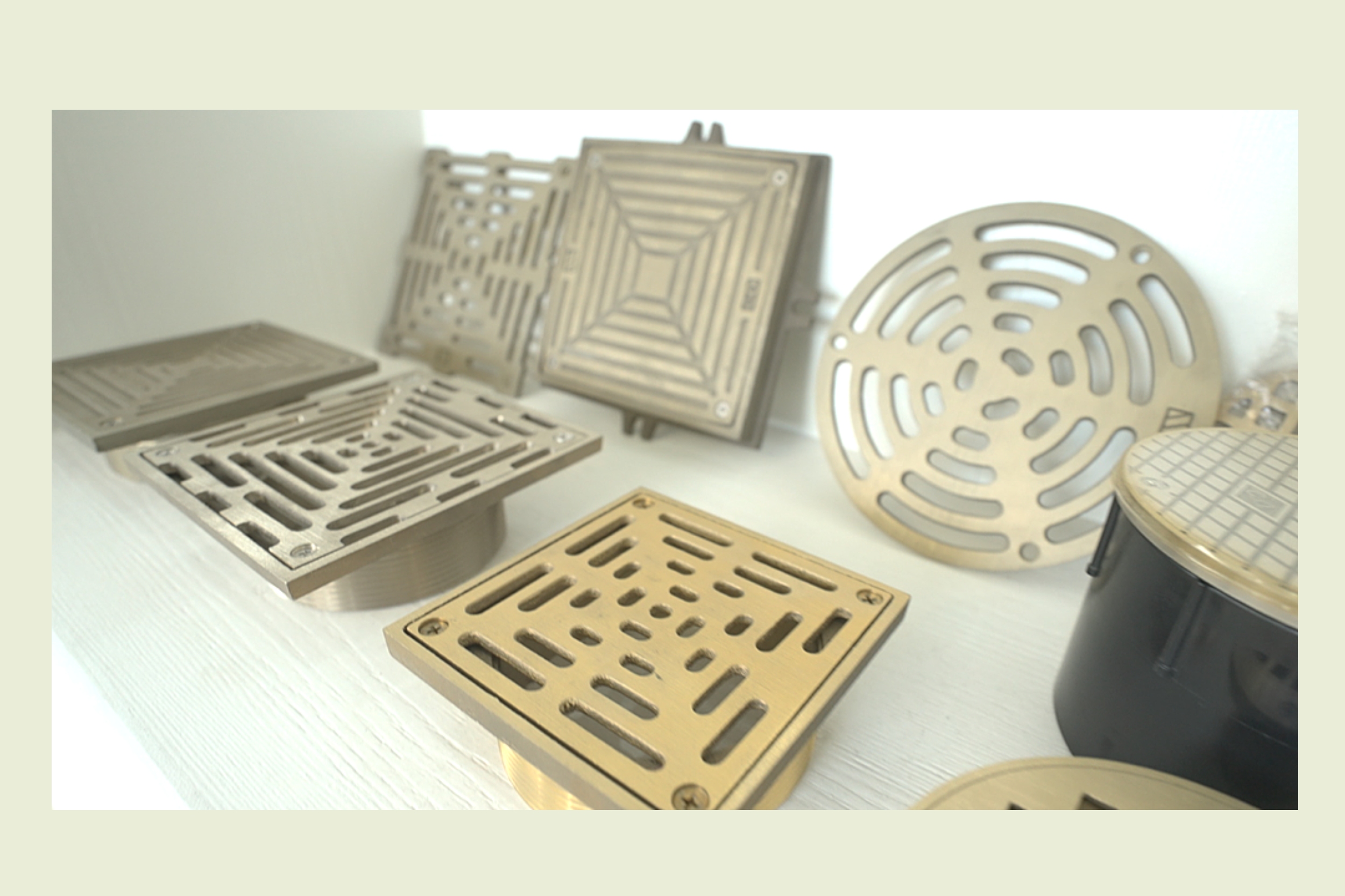
Commercial floor drains are a big deal for keeping busy places safe and dry. Get them installed right and clean them regularly to dodge clogs, smells, and pricey repairs. This guide has you covered until 2025. For top-quality commercial floor drains and expert advice, check out China Benqiu for solutions you can trust. Visit their site today to find the perfect drain for your needs!
FAQ 1: Where’s the best place for a commercial floor drain?
Right, where water collects, like near sinks or low spots. A sloped floor makes sure water gets there.
FAQ 2: How often should I clean these drains?
Weekly for high-traffic spots like kitchens. Monthly’s fine for quieter areas. Regular flushes keep them fresh.
FAQ 3: Can they handle a ton of water?
You bet. Trench or slot drains are made for big water flows in places like restaurants. Just pick one with enough capacity.
FAQ 4: How do I spot a clogged drain?
Watch for slow drains, foul smells, strange gurgling or pooling water. Snap it up soon so you don’t make a mess.
FAQ 5: Do I need permits to install one?
Most likely. Permits make sure you’re following local codes. Check with your city or plumber.
Founded in 1995, Benqiu Hardware as a leading floor drain manufacturer & plumbing fitting supplier which is committed to providing quality products and services.
